


In the sales and after-sales support of ANTISHICNC universal lathes, many customers are confused about how to conduct a comprehensive and correct initial lubrication after the delivery of a new machine. After receiving the equipment, many customers, unfamiliar with the precision mechanical structure, are often unclear about the key lubrication points, suitable oil types and operating specifications. Inadequate lubrication or the use of incorrect oil may not only cause jamming during machine operation and precision degradation, but also shorten the service life of the equipment and affect production efficiency. For this reason, the after-sales engineering team of ANTISHICNC has specially sorted out the detailed explanation of the key structure lubrication points as follows, aiming to help you complete this critical work quickly and keep your equipment in optimal condition from the very beginning.
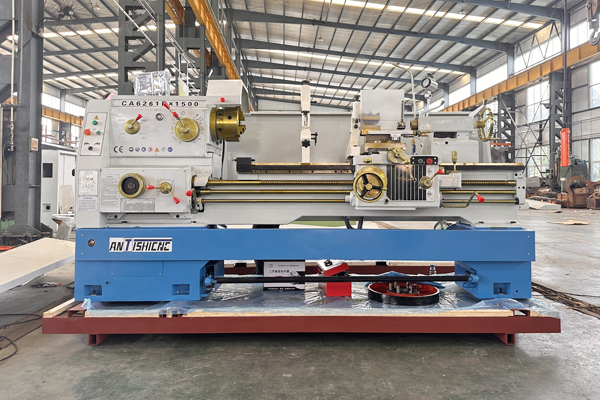
Step 1: Core Oil Tank – The “Heart” of the Equipment’s Circulation System
After the new machine is installed in place, the top priority is to inspect and fill the two core enclosed oil tanks.
① Lubrication Part – Bed Leg Oil Tank
Function: It mainly provides pressure circulation lubrication for the core gears and bearings in the headstock and the feed gearbox.
Refueling Standards and Operating Points:
- Oil Type: Use the recommended ISO VG 46 anti-wear hydraulic oil.
- Oil Volume: Observe through the oil sight glass on the side of the bed leg, and add oil to the middle line of the sight glass (approximately 1/2 to 2/3 of the height).
- Note: The oil tank is usually emptied before shipment to prevent leakage caused by bumps during transportation, so it is mandatory to refill the oil after receiving the machine.
*Common Misunderstanding Warning:
Never fill the tank to the brim! Excessively high oil level will increase internal pressure, resulting in oil leakage at the seals and abnormal rise in oil temperature.
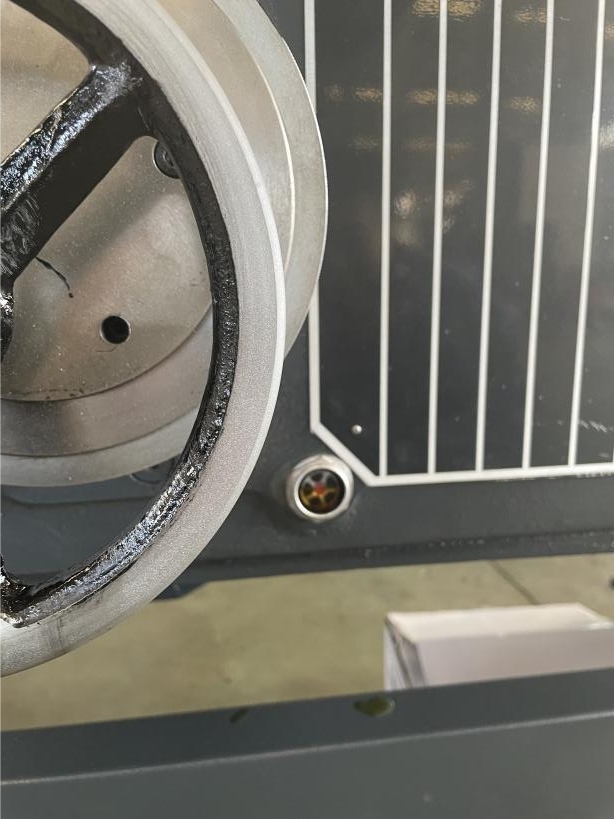
| Lubrication Point – Bed Leg Filling Position | Bed Leg Oil Sight Glass |
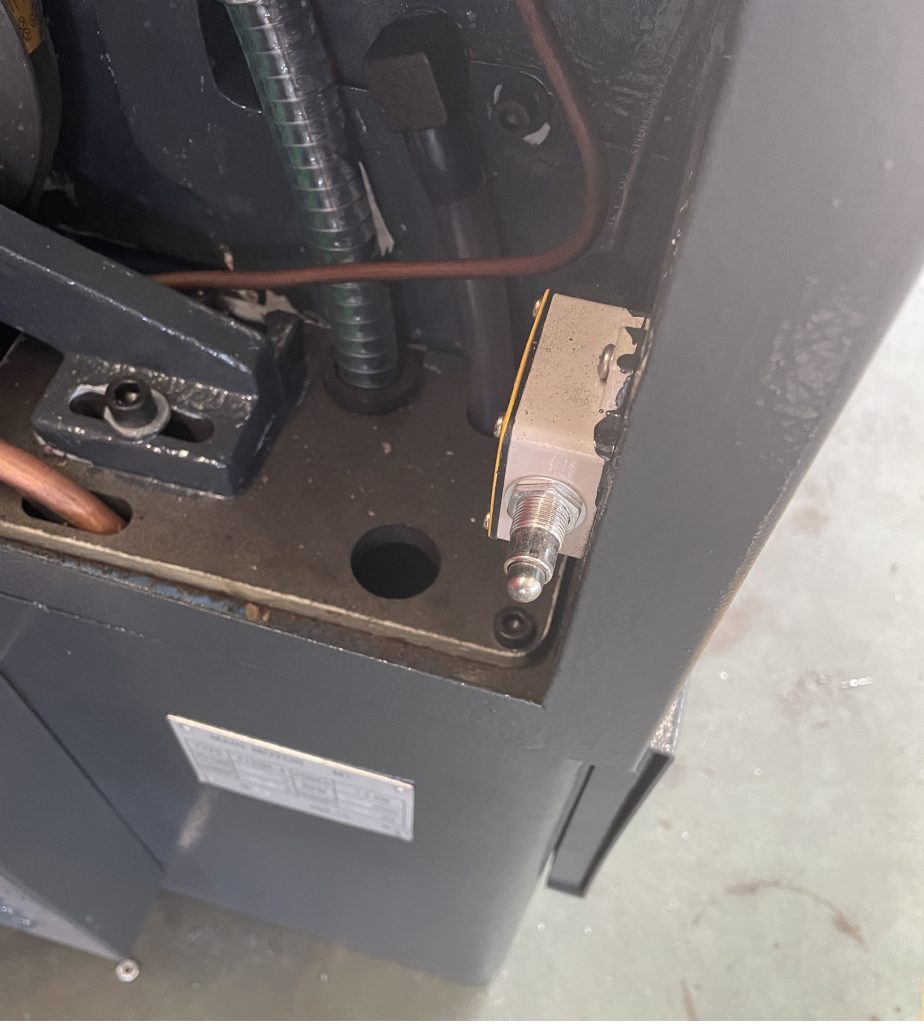 |
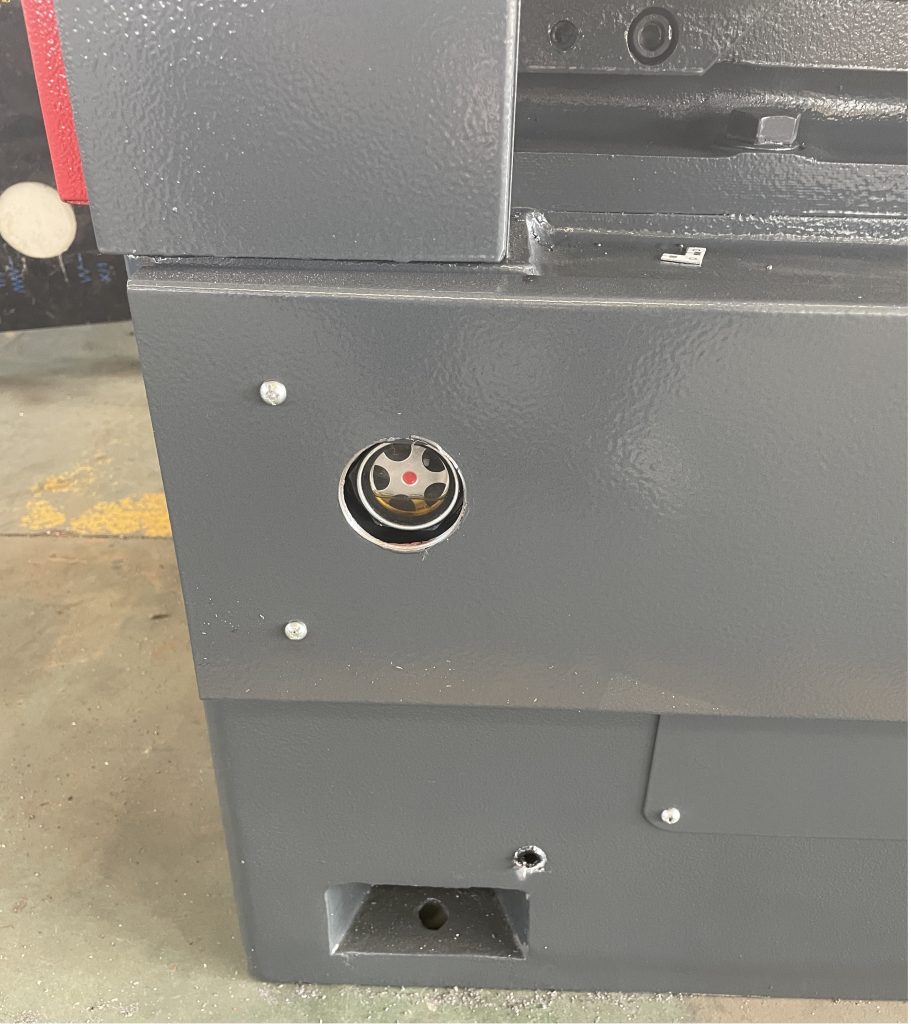 |
② Lubrication Part – Apron Oil Tank
Function: Lubricates the longitudinal and transverse feed screws and related transmission mechanisms.
Refueling Standards and Operating Points:
- Inspection: The new machine is usually pre-filled with lubricating oil. Please first confirm the oil level is normal through the oil sight glass.
- Cycle: Under normal operating conditions, inspection or oil replacement is recommended every 6 months.
*Common Misunderstanding Warning:
Do not assume no inspection is needed. Although the machine is pre-filled at the factory, it is still necessary to confirm that the oil level remains within the safe range after transportation.
| Lubrication Point – Apron Filling Position | Apron Oil Sight Glass |
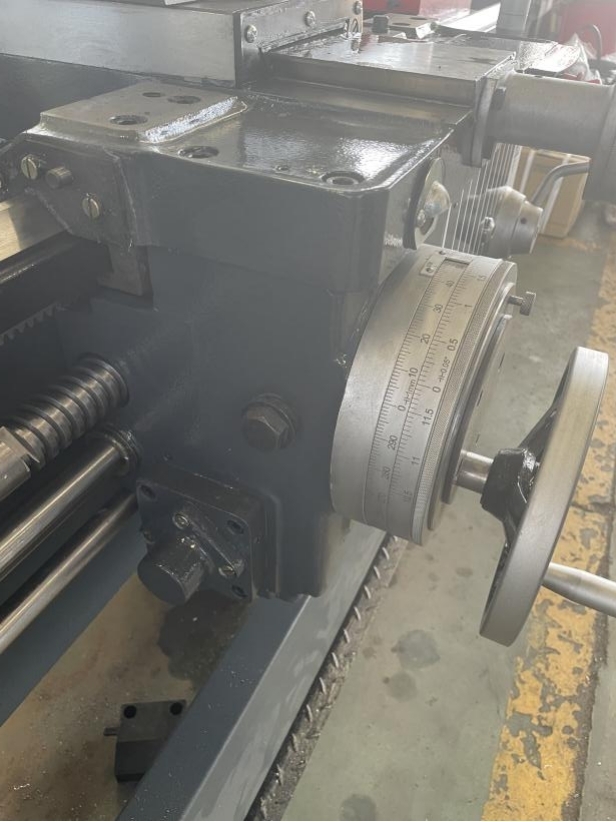 |
 |
Step 2: Daily Lubrication Points – Key Care for “Mechanical Joints”
In addition to the aforementioned oil tanks, multiple moving joints of the machine require periodic manual lubrication, which is critical to preventing dry friction and maintaining stable machining precision.
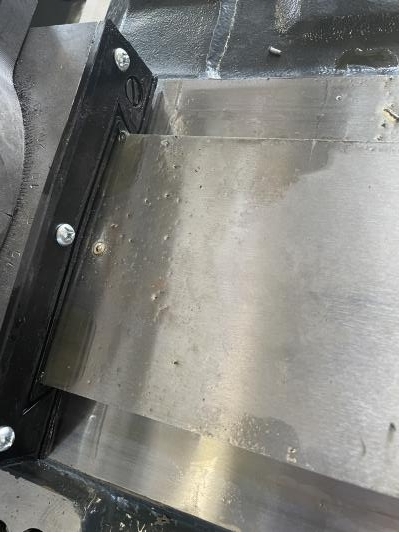
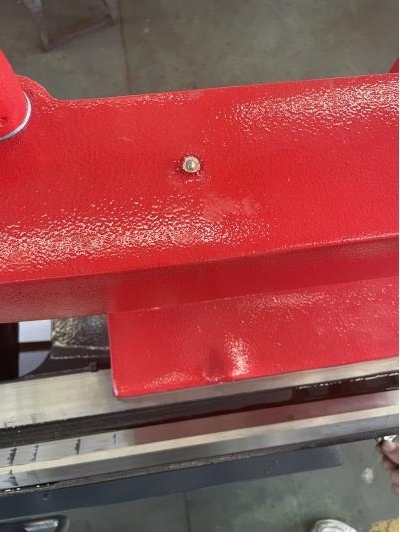
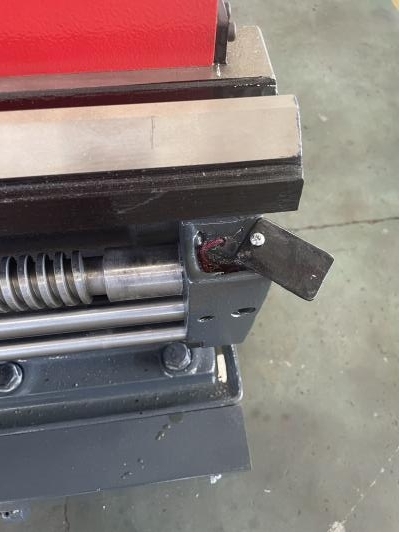
- Lubrication Points: Mainly include the oil cups or oil holes located on the saddle guideways, tool post slide, lead screw bearing seats, and tailstock sleeve.
- Lubrication Procedure: Use a hand-operated lubrication gun (usually supplied with the lathe), filled with ISO VG 46 anti-wear hydraulic oil or equivalent-grade guideway oil. It is recommended to inject a few drops of lubricating oil into each lubrication point one by one before starting each shift, or every 8 to 16 hours of operation.
- Visual & Tactile Inspection: After lubrication, manually turn the handwheels to move the relevant components. The sliding movement should be light, smooth and free of any resistance.
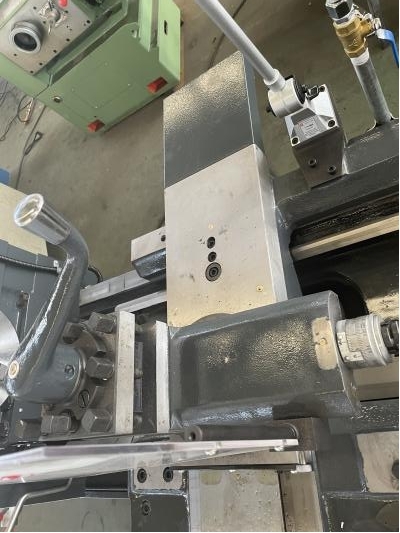 |
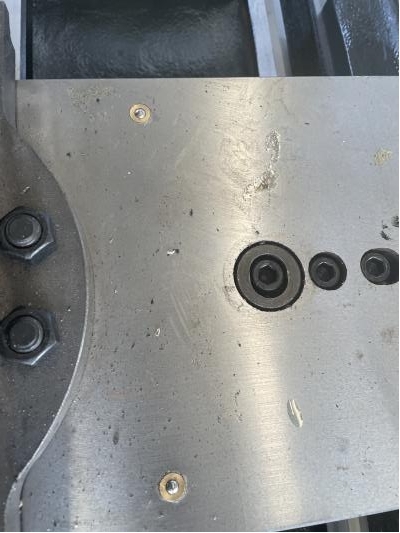 |
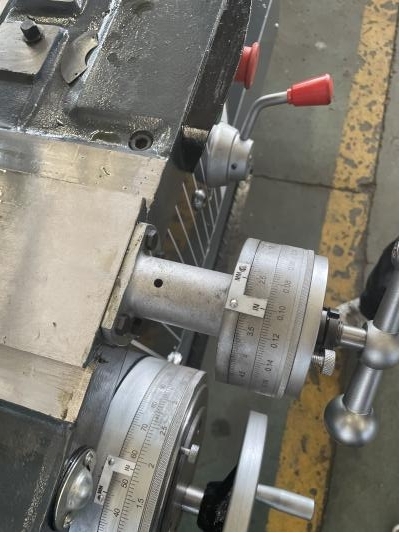 |
 |
 |
 |
Step 3: Establish a Long-Term Maintenance Perspective – Lubrication Schedule
| Maintenance Cycle | Lubrication Item | Inspection and Operation Details |
| Daily / Per Shift | All manual lubrication points (guideways, lead screws, tailstock, etc.) | Inject a few drops of lubricating oil using an oil gun. |
| First Use /
Monthly |
Bed leg oil tank, Apron oil tank | Check the oil sight glass to ensure the oil level is near the middle line. |
| Every 6 Months | Bed leg oil tank, Apron oil tank | Replace the oil completely. Drain the old oil, clean the oil tank if necessary, then refill with new oil to the specified level. |
| Annually or Every 2000 Operating Hours | All lubrication systems | Conduct a comprehensive inspection, including checking whether the oil passages are unobstructed, whether the lubricating oil has deteriorated, and whether the seals are intact. |
Final Recommendations from ANTISHICNC Engineers
- Unified Oil Specification: To simplify management and avoid compatibility issues, it is recommended to use anti-wear hydraulic oil of the same brand and same viscosity grade (e.g., ISO VG 46)as the primary lubricant throughout the machine’s service life.
- Prepare Oil in Advance: In accordance with the maintenance schedule, it is advisable to prepare approximately 20 kilograms of lubricating oil in advance to cover the initial filling, as well as subsequent top-ups and replacements.
- Develop a Record-Keeping Habit: Post a schematic diagram of lubrication points and a maintenance record sheet next to the machine, and make simple entries after each operation. This is the most effective method to implement preventive maintenance and avoid oversights.
Proper lubrication is the most fundamental and effective investment you can make in your machine tool. By following this guide, you will not only successfully complete the initial commissioning and maintenance of your machine, but also establish a scientific long-term maintenance routine. This ensures that your ANTISHICNC universal lathe consistently delivers optimal precision and reliability for every production task.
Keywords: Universal Lathe, Manual Lathe, Lathe Maintenance and Servicing